




Mastering Layering Techniques with Men’s Running Wear Sets for Cold Weather
Introduction to Layering Techniques for Cold Weather Running As winter approaches, many runners face the challenge of maintaining their outdoor routine while battling frigid temperatures. Layering techniques for men’s running wear sets not only enhance performance but also ensure comfort during those chilly runs. Understanding how to layer effectively can mean the difference between a delightful r
Time:
May 13,2026

Introduction to Layering Techniques for Cold Weather Running
As winter approaches, many runners face the challenge of maintaining their outdoor routine while battling frigid temperatures. Layering techniques for men’s running wear sets not only enhance performance but also ensure comfort during those chilly runs. Understanding how to layer effectively can mean the difference between a delightful run and a miserable experience. This guide will delve into the essentials of layering, focusing on materials, styles, and practical tips to keep you warm and motivated throughout the winter months.
Understanding the Importance of Layering in Cold Weather
Layering is a strategic approach to dressing that allows you to adapt to changing temperatures and activity levels. The primary goal of layering is to trap heat while allowing moisture to escape. This is particularly crucial during physical activities like running, where body temperature can fluctuate significantly.
The Three Layers of Cold Weather Running Wear
To master layering, it’s important to understand the three fundamental layers:
1. Base Layer
The base layer is your first line of defense against the cold. It should fit snugly against your skin to wick moisture away from your body. Look for materials like merino wool or synthetic fabrics that offer excellent moisture management and thermal regulation.
2. Insulating Layer
The insulating layer provides warmth. This could be a fleece or a lightweight down jacket. The key here is to choose a fabric that retains heat without adding excessive weight.
3. Outer Layer
The outer layer acts as a shield against wind, rain, and snow. It should be breathable yet protective. Look for jackets with windproof and waterproof capabilities to safeguard your body from harsh weather conditions.
Choosing the Right Fabrics for Each Layer
Selecting the right materials is vital for effective layering. Here’s a breakdown of the most suitable fabrics for each layer:
Base Layer Fabrics
- **Merino Wool**: Naturally moisture-wicking and odor-resistant, merino wool keeps you warm even when wet.
- **Synthetic Fabrics**: Options like polyester and nylon are lightweight and dry quickly, making them excellent for cold-weather running.
Insulating Layer Fabrics
- **Fleece**: Soft and warm, fleece is a popular choice for insulation. It allows for freedom of movement while trapping heat.
- **Down Fill**: Lightweight yet incredibly warm, down provides excellent insulation and compressibility for easy packing.
Outer Layer Fabrics
- **GORE-TEX**: Known for its breathability and waterproof properties, GORE-TEX is ideal for harsh winter conditions.
- **Softshell Fabrics**: These materials offer a balance of flexibility and protection against the elements while providing some thermal insulation.
Effective Layering Techniques for Men’s Running Wear Sets
Now that we’ve established the layers and materials, let’s explore practical techniques for layering effectively.
1. Fit Matters
Each layer’s fit plays a critical role in your comfort and performance. Ensure the base layer is snug but not restrictive; the insulating layer can be slightly looser for better movement, and the outer layer should allow for freedom of motion without being overly baggy.
2. Adjust for Temperature Changes
As you run, your body temperature will rise. It’s essential to adjust your layers accordingly. For example, if you start feeling too warm, you can remove the insulating layer mid-run and tie it around your waist or stow it away if you’re running a loop.
3. Accessorize Wisely
Accessories play a crucial role in layering. Choose gloves, hats, and neck gaiters that complement your outfit. These items help to trap heat and can be added or removed based on your comfort level.
4. Consider Your Running Environment
Always take into account your running environment. If you’re in a location with harsh winds or potential precipitation, opt for a more protective outer layer. Conversely, if the weather is milder, you might simplify your outfit by skipping the insulating layer.
Popular Men’s Running Wear Sets for Cold Weather
Several brands have designed running wear specifically for cold-weather comfort. Here are a few top contenders:
1. Nike’s ColdGear Collection
Nike offers a range of thermal wear designed to keep runners warm without compromising on breathability. Their ColdGear collection features innovative materials that wick moisture while insulating against the cold.
2. Under Armour’s ColdGear Base Layer
Under Armour's ColdGear line is well-known for its effective moisture management and heat retention. Their compression base layers provide support while keeping you warm.
3. The North Face’s Running Gear
The North Face provides a selection of insulated running jackets and pants designed for harsh winter conditions. Their gear often features windproof materials and smart designs for increased functionality.
Layering Tips for Different Running Distances
Depending on the length of your run, your layering needs may vary. Here’s how to adjust your layers based on distance:
Short Runs (Up to 5 km)
For shorter runs, a fitted base layer and a lightweight jacket are typically sufficient. If the weather is particularly cold, adding a thin insulating layer may be beneficial.
Medium Runs (5 km to 10 km)
For medium runs, incorporate an insulating layer to maintain warmth throughout the entire duration. You might opt for a breathable outer layer to protect against wind and light precipitation.
Long Runs (Over 10 km)
Longer runs may require additional attention to layering. Start with a moisture-wicking base, an insulating layer, and a reliable outer shell. Be mindful of temperature changes during your run and adjust accordingly.
Common Mistakes in Cold Weather Layering
Even seasoned runners can fall into common traps when layering for cold weather. Here are a few mistakes to avoid:
1. Overdressing
It’s easy to overestimate how cold it is outside. Always check the temperature and wind chill before dressing. Remember, you’ll heat up while running, so it’s better to start a little chilly.
2. Ignoring Accessories
Many runners neglect accessories like hats and gloves. However, these items are essential for maintaining overall warmth and can significantly improve your comfort level.
3. Skipping the Base Layer
Never underestimate the importance of a good base layer. Skipping this essential piece can lead to discomfort due to moisture accumulation.
FAQs About Layering Techniques with Men’s Running Wear Sets for Cold Weather
1. What is the best fabric for a base layer in cold weather?
The best fabrics for a base layer include merino wool and synthetic materials like polyester, which effectively wick moisture while providing warmth.
2. How many layers should I wear for cold weather running?
Typically, three layers—a base layer, an insulating layer, and an outer layer—are recommended for cold weather running.
3. Can I wear my regular workout clothes for running in cold weather?
While you can wear your regular workout clothes, it’s essential to choose pieces specifically designed for cold weather, as they offer better moisture management and insulation.
4. Should I wear a hat while running in cold weather?
Yes, wearing a hat is beneficial as it helps retain heat and prevents heat loss from your head.
5. How do I know if I’m wearing the right amount of layers?
If you feel slightly cool at the start of your run but warm up as you go, you likely have the right amount of layers. If you start to feel too hot, you may need to remove a layer.
Conclusion
Mastering layering techniques with men’s running wear sets for cold weather is essential for maintaining comfort and performance. By understanding the importance of base, insulating, and outer layers, selecting the right fabrics, and employing effective layering strategies, you can enjoy your runs even in frigid temperatures. Remember to pay attention to your environment, adjust your layers as needed, and never underestimate the power of quality accessories. With the right approach, winter running can be just as enjoyable as running in warmer months.
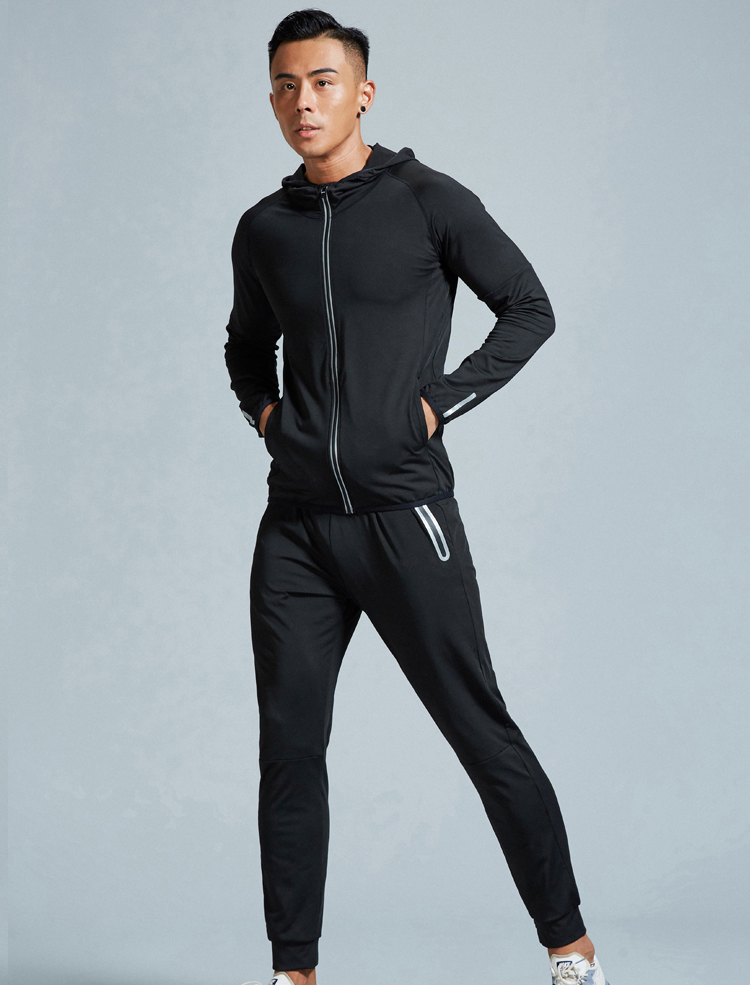
mens running wear set
Related News

Sep 24,2026
Essential Guide to Choosing the Right Running Wear for Optimal Performance
When it comes to running, the right attire can significantly impact your performance and overall experience. Whether you’re a seasoned marathoner or a casual jogger, investing in appropriate running wear is essential. Here are some crucial factors to consider when selecting your running apparel. **1. Fabric Matters:** The type of fabric used in your running wear plays a pivotal role in your comfor
Sep 21,2026
Why Color Matters in Your Men's Running Wear Set: The Ultimate Guide to Choosing the Right Colors
Why Color Matters in Your Men's Running Wear Set Introduction to the Importance of Color in Athletic Apparel When it comes to **men's running wear sets**, the design, fit, and functionality are often at the forefront of considerations. However, one critical aspect that frequently gets overlooked is **color**. Color is not just a visual element; it has profound implications for **performance**, **p
Follow Us






LAND