




The Benefits of Breathable Fabrics in Team Wear for Athletes
The Benefits of Breathable Fabrics in Team Wear for Athletes In the world of athletics, the right attire can make all the difference in performance and comfort. Specifically, breathable fabrics have emerged as a game-changer in team wear for athletes. These specialized materials not only enhance comfort but also improve overall athletic performance. This article delves deep into the numerous benef
Time:
May 27,2026

The Benefits of Breathable Fabrics in Team Wear for Athletes
In the world of athletics, the right attire can make all the difference in performance and comfort. Specifically, breathable fabrics have emerged as a game-changer in team wear for athletes. These specialized materials not only enhance comfort but also improve overall athletic performance. This article delves deep into the numerous benefits of breathable fabrics in team wear, exploring how they contribute to a superior athletic experience.
Table of Contents
- Understanding Breathable Fabrics
- Advantages of Breathable Fabrics in Team Wear
- Enhanced Comfort and Performance
- Temperature Regulation in Sportswear
- Moisture-Wicking Technology Explained
- Durability of Breathable Fabrics
- Eco-Friendly Breathable Fabrics
- Choosing the Right Breathable Fabric
- Frequently Asked Questions
Understanding Breathable Fabrics
Breathable fabrics are designed to allow air circulation and moisture vapor to escape while providing a comfortable fit. Commonly used in athletic apparel, these materials are essential for athletes who engage in high-intensity sports. The fundamental characteristic of breathable fabrics is their ability to keep the body cool and dry, minimizing the risk of overheating during strenuous activities.
Types of Breathable Fabrics
Various types of breathable fabrics are utilized in athletic wear, including:
- Mesh: This lightweight fabric features an open weave, allowing for maximum airflow.
- Polyester: Often treated with moisture-wicking technology, polyester is durable and dries quickly.
- Nylon: Known for its strength and elasticity, nylon also offers breathability.
- Merino Wool: This natural fiber regulates temperature and effectively wicks moisture away from the skin.
Advantages of Breathable Fabrics in Team Wear
Utilizing breathable fabrics in team wear presents several advantages that can significantly impact athletic performance.
1. Improved Performance
When athletes wear breathable fabrics, they experience enhanced performance. The ability to stay cool and dry allows for longer training sessions and improved endurance. Athletes can focus on their movements without the distraction of discomfort caused by perspiration or overheating.
2. Enhanced Team Cohesion
When all team members are dressed in breathable fabrics, it fosters a sense of unity. Coordinated team wear not only improves team identity but also ensures that every athlete feels comfortable and confident, thereby enhancing overall team performance.
3. Versatility for Different Sports
Breathable fabrics are suitable for various sports, including basketball, soccer, dance, and gymnastics. This versatility makes them an ideal choice for any athlete, regardless of their discipline.
Enhanced Comfort and Performance
Comfort is crucial for athletes, especially during lengthy training sessions and competitive events. Breathable fabrics provide a soft, lightweight feel that enables freedom of movement. As a result, athletes can engage fully in their sport without being hindered by uncomfortable clothing.
Reduced Chafing and Irritation
Many athletes experience chafing and irritation due to prolonged contact with sweat-soaked fabrics. Breathable materials minimize skin irritation by wicking moisture away and allowing airflow. This comfort factor contributes significantly to an athlete’s mental game, leading to improved focus and performance.
Temperature Regulation in Sportswear
Maintaining an optimal body temperature is paramount for athletes, especially during high-intensity activities. Breathable fabrics are engineered to regulate body temperature effectively.
Heat Management
During intense exercise, the body generates heat, and breathable fabrics work to disperse this heat. By allowing air circulation, these fabrics help in cooling the body naturally, thus reducing the risk of heat-related issues.
Cold Weather Benefits
Interestingly, breathable fabrics are not just beneficial in hot conditions. They can also be advantageous in cooler climates. By maintaining a balance of warmth and breathability, these fabrics keep athletes comfortable, whether they're practicing outdoors in winter or competing in brisk conditions.
Moisture-Wicking Technology Explained
Moisture-wicking technology is a critical component of breathable fabrics, designed to draw sweat away from the skin's surface. This process keeps athletes dry and comfortable throughout their activities.
How Moisture-Wicking Works
Moisture-wicking fabrics are constructed using hydrophobic and hydrophilic fibers. The hydrophobic fibers repel water, while the hydrophilic fibers absorb moisture. As sweat is produced, it is pulled away from the skin and transferred to the outer layer of the fabric, where it can evaporate efficiently. This mechanism ensures that athletes remain dry, minimizing the risk of chafing and discomfort.
Benefits of Moisture-Wicking Fabrics
- Improved Comfort: Keeps skin dry and reduces the feeling of heaviness from sweat.
- Quick Drying: Allows for rapid evaporation, enhancing comfort during and post-activity.
- Odor Resistance: Many moisture-wicking fabrics are treated to reduce bacterial growth, minimizing odor.
Durability of Breathable Fabrics
Durability is a crucial factor when considering athletic wear. Breathable fabrics are designed to withstand rigorous training and repeated washing, making them ideal for team wear.
Longevity of Performance
High-quality breathable fabrics maintain their performance over time, providing athletes with long-lasting comfort and functionality. This durability means that teams can invest in quality gear without the constant need for replacements, leading to cost savings in the long run.
Resilience to Wear and Tear
Whether it’s from intense workouts or competitive play, breathable fabrics can handle the physical demands placed on them. They resist snagging, tearing, and fading, ensuring that team wear remains looking great season after season.
Eco-Friendly Breathable Fabrics
With increasing environmental awareness, many manufacturers are now producing eco-friendly breathable fabrics. These sustainable options offer great performance without compromising on environmental responsibility.
Biodegradable and Recyclable Materials
Some brands are turning to biodegradable fibers or recycled materials to create breathable fabrics. This approach minimizes the environmental impact and supports a more sustainable future in athletic apparel.
The Importance of Sustainability in Sportswear
Choosing eco-friendly options in team wear reflects a commitment to sustainability, which resonates with athletes and consumers alike. This choice not only benefits the planet but also enhances the team’s image, appealing to environmentally-conscious fans.
Choosing the Right Breathable Fabric
When selecting breathable fabrics for team wear, several factors should be considered to ensure optimal performance and comfort.
Fit and Function
Different sports have unique demands, thus requiring specific fabric characteristics. For example, soccer jerseys benefit from lightweight, stretchy materials, while dance wear may prioritize flexibility and breathability. Understanding the specific needs of the sport will guide fabric selection.
Personal Preferences
Every athlete has personal preferences regarding fit, feel, and style. Teams should consider these preferences when choosing fabrics to ensure that every athlete feels confident and comfortable in their gear.
Frequently Asked Questions
1. What are breathable fabrics made from?
Breathable fabrics can be made from various materials, including polyester, nylon, mesh, and natural fibers like merino wool, each offering unique benefits for athletic performance.
2. How do breathable fabrics help in regulating body temperature?
Breathable fabrics promote air circulation and moisture evaporation, helping to keep the body cool during high-intensity activities and preventing overheating.
3. Are moisture-wicking fabrics suitable for all sports?
Yes, moisture-wicking fabrics are versatile and can be used in various sports, ensuring athletes remain comfortable and dry regardless of their activity.
4. How can I care for breathable athletic fabrics?
To maintain the performance and longevity of breathable fabrics, it’s essential to follow care instructions, which typically include washing in cold water, avoiding fabric softeners, and air drying when possible.
5. Can breathable fabrics be eco-friendly?
Yes, many manufacturers now offer breathable fabrics made from eco-friendly materials, such as recycled fibers and biodegradable options, contributing to sustainable athletic wear.
Conclusion
In conclusion, breathable fabrics play a pivotal role in enhancing the performance, comfort, and overall experience of athletes in team wear. From superior moisture management to effective temperature regulation, these materials are essential for any athlete looking to optimize their training and competition. As teams continue to prioritize comfort and performance, investing in high-quality breathable fabrics will undoubtedly lead to improved results and a more enjoyable athletic journey. By understanding the various benefits and characteristics of these fabrics, athletes and teams can make informed choices that support their performance and well-being.
team wear
Related News
Oct 09,2026
Men's Running Wear Set: Balancing Functionality and Fashion
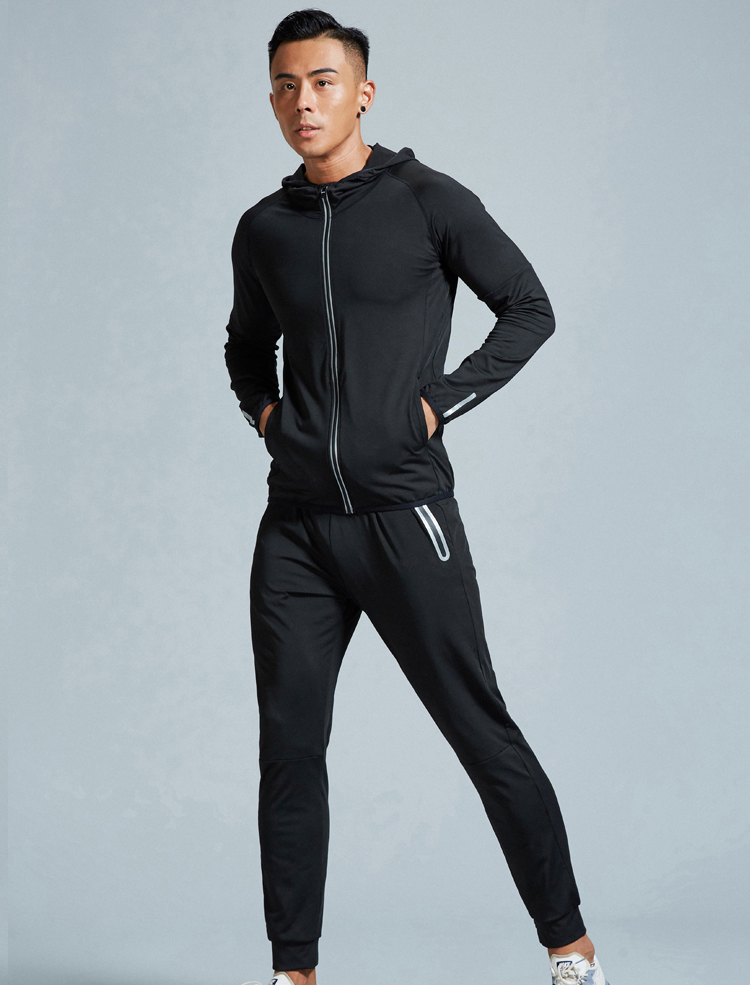
Men's Running Wear Set: Balancing Functionality and Fashion In the world of sports and fitness, the right attire can make all the difference. For men, running wear sets are not just about performance; they also play a crucial role in personal style. Finding the perfect balance between functionality and fashion is essential, ensuring that you feel comfortable while looking good on the track or in t

Oct 06,2026
Essential Insights into Outdoor Wear: What You Need to Know
When it comes to enjoying the great outdoors, having the right outdoor wear is crucial for both comfort and safety. Outdoor wear encompasses a variety of clothing items designed specifically for activities such as hiking, camping, climbing, and other adventurous pursuits. Understanding what outdoor wear entails can significantly enhance your outdoor experiences. One of the primary functions of out
Follow Us






LAND