



Finding the Right Fit: A Comprehensive Guide to Men’s Running Wear Sets
Finding the Right Fit: A Comprehensive Guide to Men’s Running Wear Sets Running is more than just a physical activity; it’s a lifestyle. Whether you’re prepping for a marathon or enjoying a casual jog, the right **running wear sets** can make all the difference. In this guide, we will explore how to choose the perfect running outfits that not only enhance performance but also provide comfort and s
Time:
Jun 29,2026

Finding the Right Fit: A Comprehensive Guide to Men’s Running Wear Sets
Running is more than just a physical activity; it’s a lifestyle. Whether you’re prepping for a marathon or enjoying a casual jog, the right **running wear sets** can make all the difference. In this guide, we will explore how to choose the perfect running outfits that not only enhance performance but also provide comfort and style.
Table of Contents
- The Importance of Proper Fit in Running Gear
- Key Elements of Men’s Running Wear Sets
- Types of Fabrics for Running Gear
- Analyzing Your Body Type for the Right Fit
- Size Guide for Men’s Running Wear
- Seasonal Considerations in Running Wear
- Essential Accessories to Complement Your Running Gear
- Maintenance and Care of Your Running Wear
- Frequently Asked Questions
- Conclusion
The Importance of Proper Fit in Running Gear
When it comes to running, **comfort** is key. Wearing the right outfit can significantly impact your performance and enjoyment. Ill-fitting garments can lead to chafing, restricted movement, and even injuries. Therefore, understanding the significance of a proper fit is crucial.
A well-fitted running wear set should feel like a second skin, allowing you to focus on your run instead of your clothing. This section will delve into how the right fit can enhance your running experience and overall performance.
Why Comfort Matters
Comfort plays a pivotal role in any athlete's journey. When you wear clothes that fit well, you experience less distraction, allowing you to concentrate on your pacing and form. Chafing and irritation from loose or tight clothing can hinder your progress and demotivate you from pushing your limits.
Boosting Performance
Research indicates that athletes perform better in clothing designed specifically for their activities. In running, garments engineered for movement can improve your endurance and speed. This is due to advancements in fabric technology that facilitate breathability, moisture-wicking capabilities, and flexibility.
Key Elements of Men’s Running Wear Sets
Men’s running wear sets come with several components designed to optimize your running experience. Understanding these elements will help you make informed decisions when selecting your gear.
Shirts
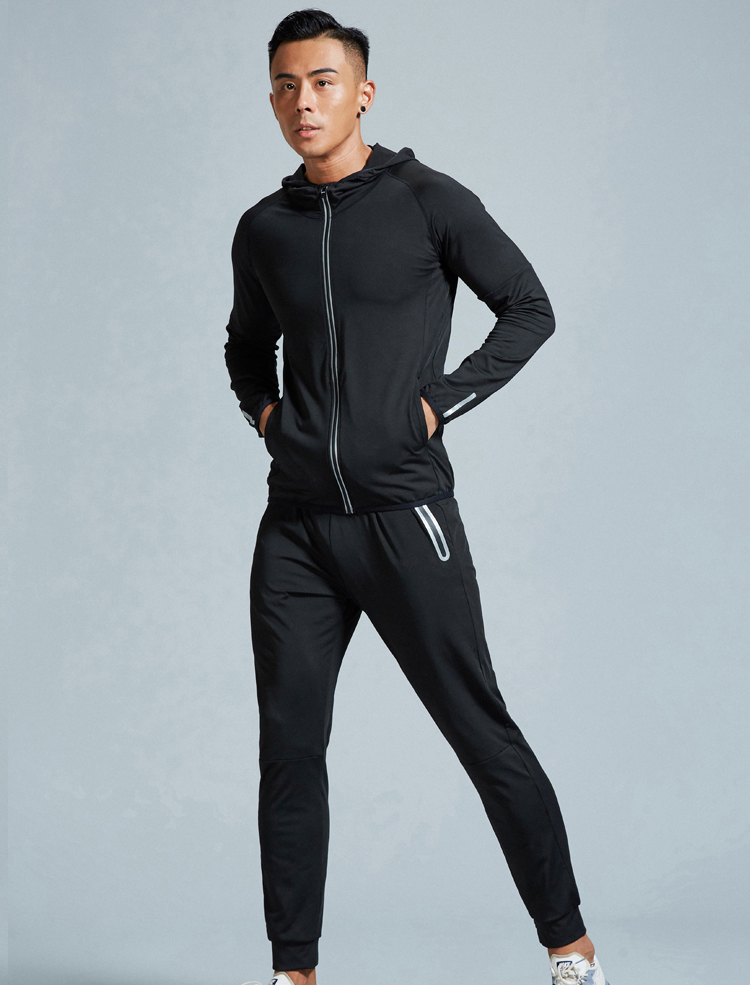
Running shirts should be lightweight, breathable, and moisture-wicking. Look for options with flat seams to minimize chafing and a fit that allows for unrestricted movement.
Shorts and Tights
Shorts are often preferred in warmer weather, while tights are popular for cooler climates. Consider the length and fit of the shorts or tights, ensuring they provide comfort without being too restrictive.
Jackets
A good running jacket can be a game-changer. Look for windproof and water-resistant features, breathable fabric, and a fit that allows for layering without bulk.
Types of Fabrics for Running Gear
Choosing the right fabric is essential for maintaining comfort, temperature regulation, and durability. Here are some popular fabric types used in men’s running wear sets:
Polyester
Widely used in running gear, polyester is lightweight, durable, and moisture-wicking. It helps keep you dry by drawing sweat away from your skin.
Nylon
Nylon is known for its high durability and resistance to wear and tear. It also offers excellent moisture-wicking properties, making it a good choice for running wear.
Merino Wool
Merino wool is gaining popularity in running gear for its natural moisture-wicking and temperature-regulating properties. It’s soft against the skin and helps control odor.
Spandex
Often blended with other fabrics, spandex offers exceptional stretch and recovery. This ensures that your running gear maintains its shape and provides a snug fit.
Analyzing Your Body Type for the Right Fit
Understanding your body type is critical for selecting running wear that fits well and enhances your performance. Here are tips for analyzing your body type and making the right choices:
Identifying Your Build
Body types can vary widely. Some runners are slim, while others may have a stockier build. Knowing your proportions will help you choose the right fit for your running wear.
Measurements to Consider
Take accurate measurements of your chest, waist, hips, and inseam. These numbers will guide you toward the correct size according to manufacturer sizing charts.
Trying on Gear
Whenever possible, try on running gear before purchasing. Look for a fit that allows for free movement without being baggy or uncomfortably tight.
Size Guide for Men’s Running Wear
Understanding sizing can be tricky, as different brands may have varying size charts. Here’s a general guide to help you navigate through the available options:
Size Chart Overview
- **Small (S)**: Chest 34-36 inches, Waist 28-30 inches
- **Medium (M)**: Chest 38-40 inches, Waist 32-34 inches
- **Large (L)**: Chest 42-44 inches, Waist 36-38 inches
- **X-Large (XL)**: Chest 46-48 inches, Waist 40-42 inches
Always consult the specific brand’s size chart for the most accurate fit.
Fit Types
- **Athletic Fit**: Tapered cut that hugs the body, ideal for runners who prefer a snug fit.
- **Regular Fit**: More room in the body and sleeves, providing comfort and mobility.
- **Relaxed Fit**: Loose-fitting garments for maximum comfort and breathability.
Seasonal Considerations in Running Wear
Choosing the right running wear depends greatly on seasonal changes. Here’s how to select your gear according to the climate.
Summer Running Wear
Opt for lightweight, breathable materials that wick moisture away. Choose tank tops or short-sleeve shirts paired with shorts to keep cool.
Winter Running Wear
Layering is key in winter. Start with a moisture-wicking base layer, add an insulating layer, and finish with a windproof outer layer. Don’t forget thermal tights and a good pair of gloves.
Rainy and Windy Conditions
Invest in waterproof and wind-resistant fabrics to stay dry and warm. A good cap can also help keep rain out of your face.
Essential Accessories to Complement Your Running Gear
To complete your running outfit, consider these accessories that can enhance your overall experience:
Running Shoes
The foundation of your running outfit is a good pair of running shoes. Invest in a pair that suits your foot type and running style for optimal performance.
Socks
Choose moisture-wicking socks that provide cushioning and prevent blisters. Look for seamless designs to enhance comfort.
Headgear
A good cap or headband can keep sweat out of your eyes and protect you from the sun.
Hydration Gear
Stay hydrated with a water bottle or hydration pack, especially on long runs.
Maintenance and Care of Your Running Wear
To ensure that your running wear lasts, proper care and maintenance are crucial. Here are some tips:
Washing Instructions
Always check the labels for washing instructions. Most running gear should be washed in cold water and air-dried to maintain fabric integrity.
Storage Tips
Store your running gear in a cool, dry place to prevent moisture buildup and odors. Avoid placing heavy items on top of them to maintain their shape.
Regular Inspections
Regularly check your running gear for signs of wear and tear. Replace items that show significant damage to avoid injuries.
Frequently Asked Questions
1. What should I wear for my first run?
For your first run, wear moisture-wicking clothing, comfortable shorts or tights, and a good pair of running shoes.
2. How do I know if my running gear fits properly?
Your running gear should feel snug but not restrictive. Ensure you can move freely without any chafing.
3. How often should I replace my running shoes?
It’s recommended to replace your running shoes every 300 to 500 miles, depending on your running style and the shoe’s durability.
4. Can I wear cotton for running?
Cotton is not ideal for running as it absorbs moisture and can lead to chafing. Opt for synthetic fabrics instead.
5. How can I stay warm while running in cold weather?
Layering is essential. Start with a moisture-wicking base layer, add insulation, and finish with a windproof outer layer.
Conclusion
Choosing the right men’s running wear sets is vital for enhancing performance, comfort, and overall enjoyment while running. From understanding your body type to selecting the appropriate fabrics and seasonal gear, this comprehensive guide equips you with the knowledge needed to make informed decisions. Remember, investing in quality running gear is an investment in your health and running journey. So, gear up, hit the pavement, and enjoy every mile!
mens running wear set
Previous:
Related News
Jun 29,2026
Finding the Right Fit: A Comprehensive Guide to Men’s Running Wear Sets
Finding the Right Fit: A Comprehensive Guide to Men’s Running Wear Sets Running is more than just a physical activity; it’s a lifestyle. Whether you’re prepping for a marathon or enjoying a casual jog, the right **running wear sets** can make all the difference. In this guide, we will explore how to choose the perfect running outfits that not only enhance performance but also provide comfort and s
Jun 27,2026
Essential Insights into Outdoor Wear: The Key to Comfortable and Functional Adventures
When it comes to outdoor wear, the right clothing can make a significant difference in your comfort and performance during various activities. Whether you are hiking, camping, or engaging in other outdoor adventures, understanding the features and materials of outdoor clothing is essential for both safety and enjoyment. First and foremost, the materials used in outdoor wear are pivotal. Fabrics su
Follow Us






LAND